Ball Gown (Princess)
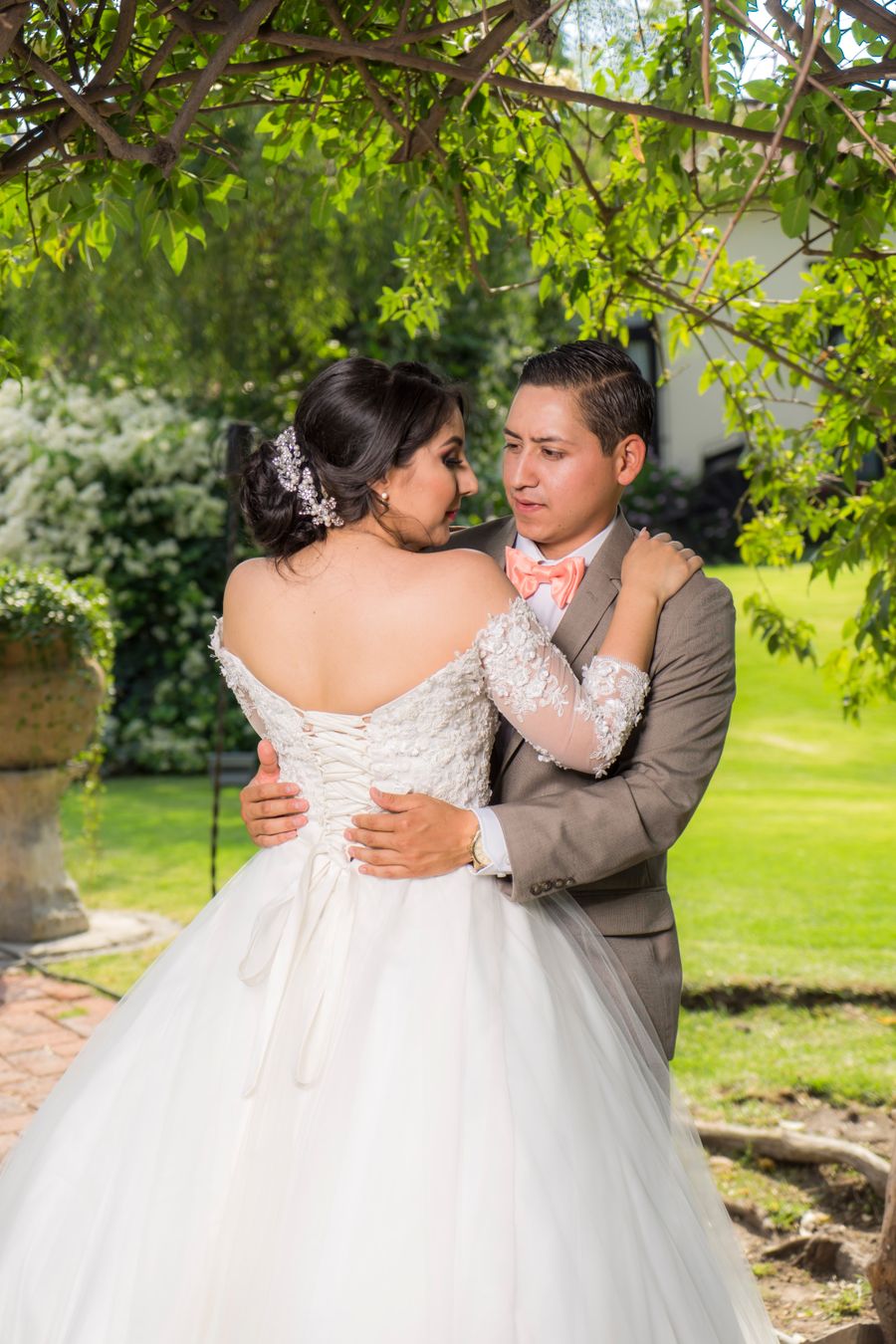
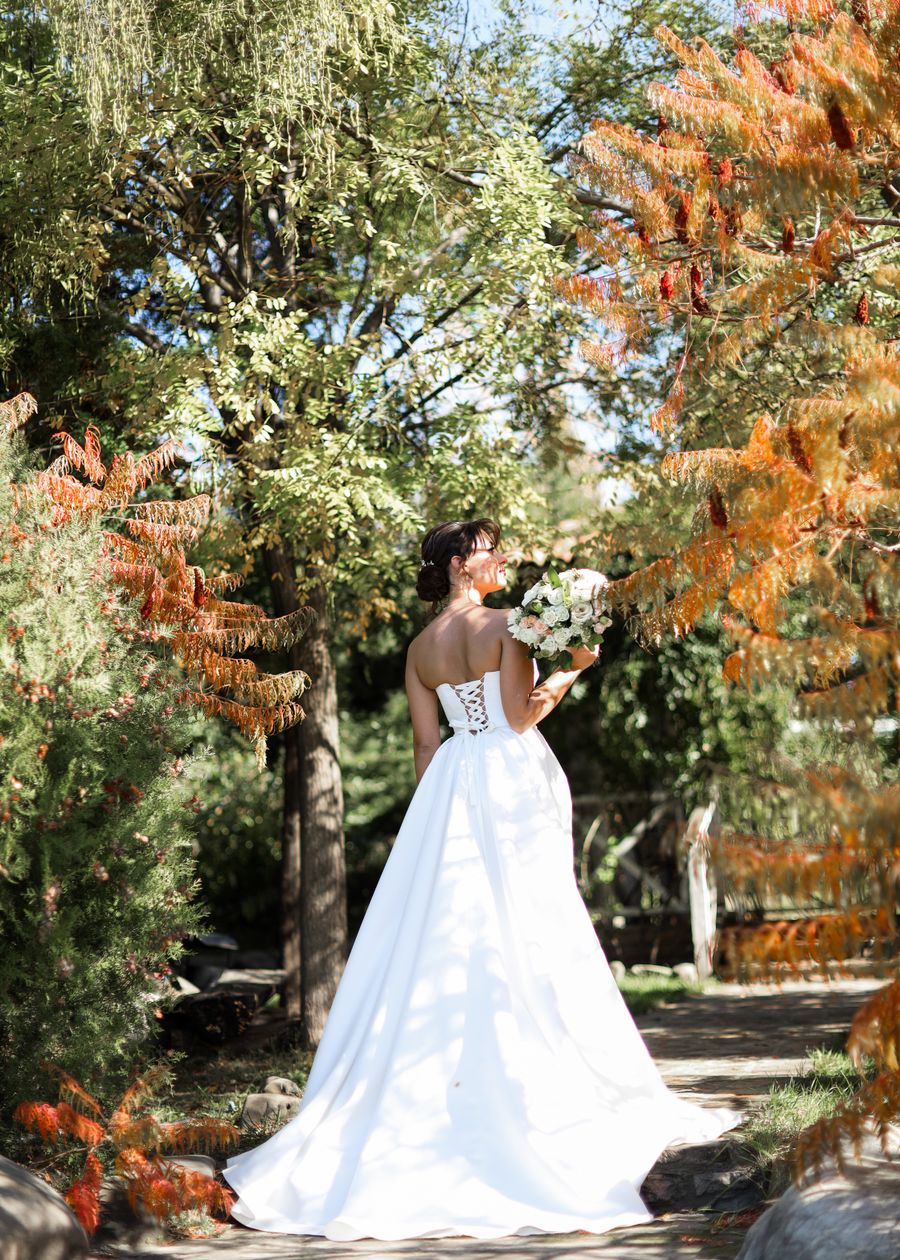
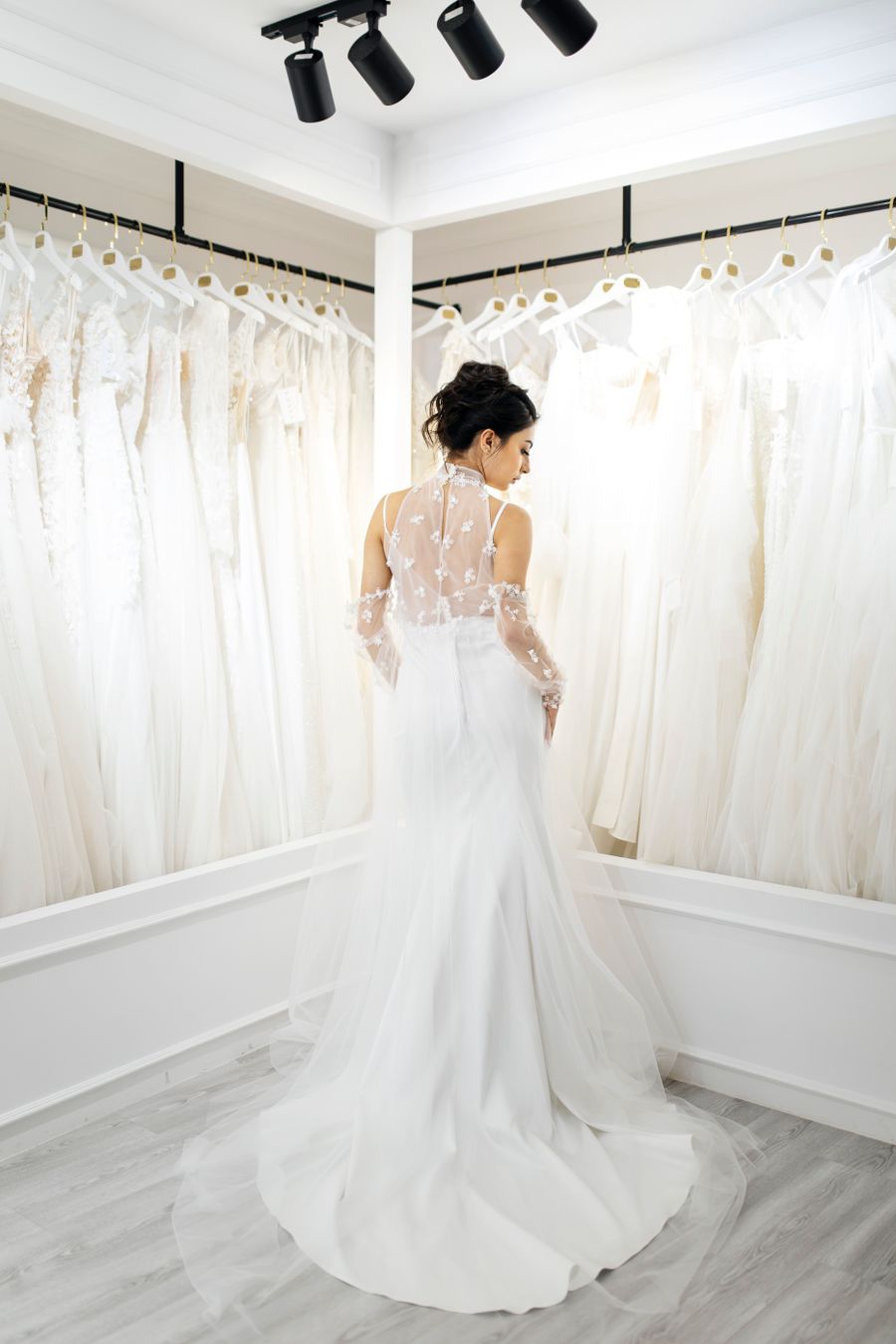
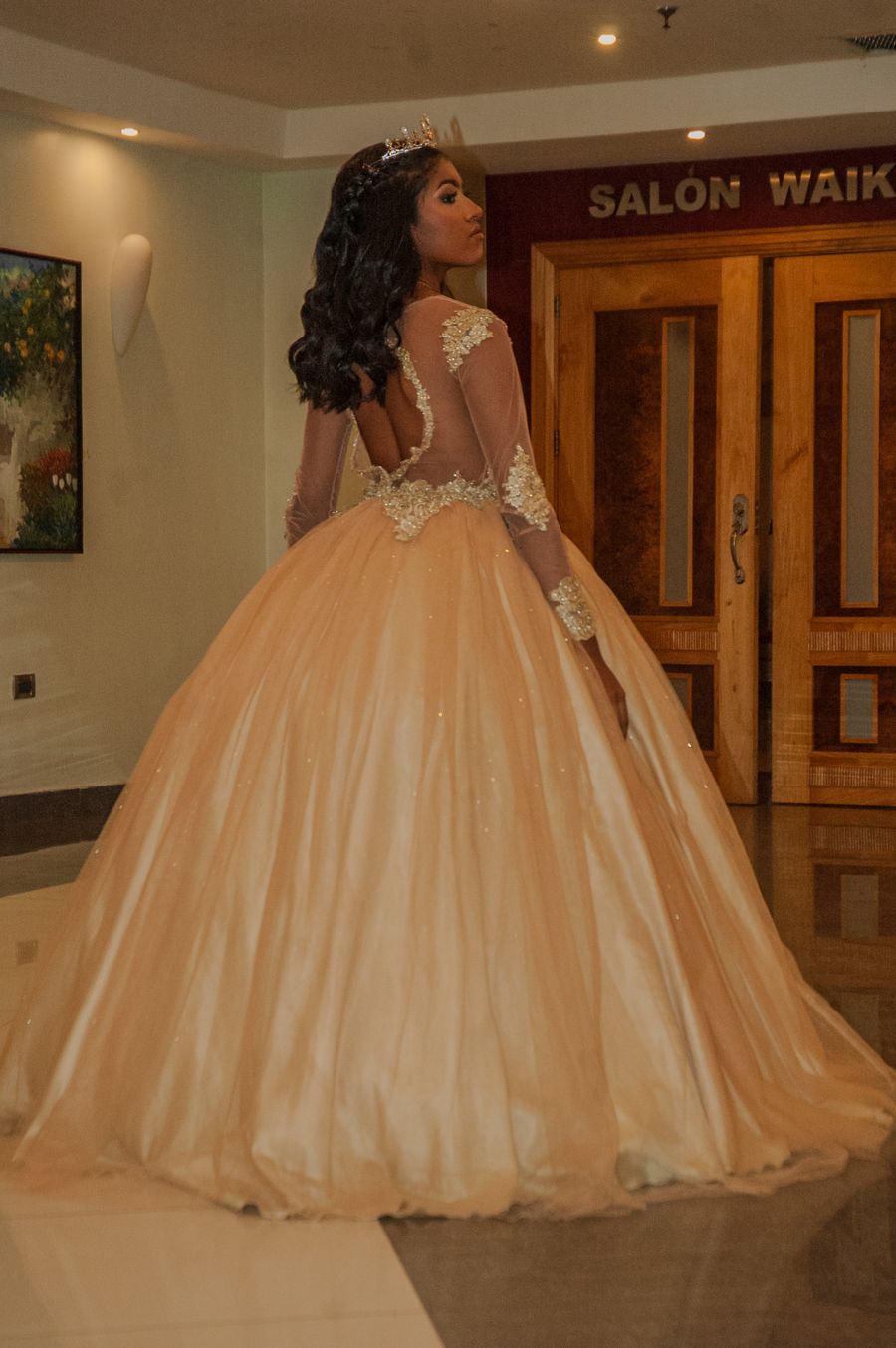
The ball gown is the very essence of the bridal dream. A tightly fitted corseted bodice paired with a dramatic, voluminous skirt supported by layers of petticoats creates an instantly recognizable image — a princess straight from a fairy tale. This silhouette is at its most theatrical and ceremonial, demanding space, confidence, and a truly special occasion.
Characteristics
- Boned corseted bodice
- Full multi-layered skirt with petticoats
- Pronounced, defined waistline
- Voluminous fabrics: organza, tulle, satin
- Maximum ceremony and grandeur
History and Origins
The ball gown traces its roots to the traditions of European royal courts in the 18th and 19th centuries, where crinoline-supported skirts were an indispensable part of aristocratic dress. In bridal fashion, the style was canonized by Princess Diana's wedding in 1981, and since then the full-skirted gown has become synonymous with the "ultimate wedding" in the popular imagination.
Cut and Construction
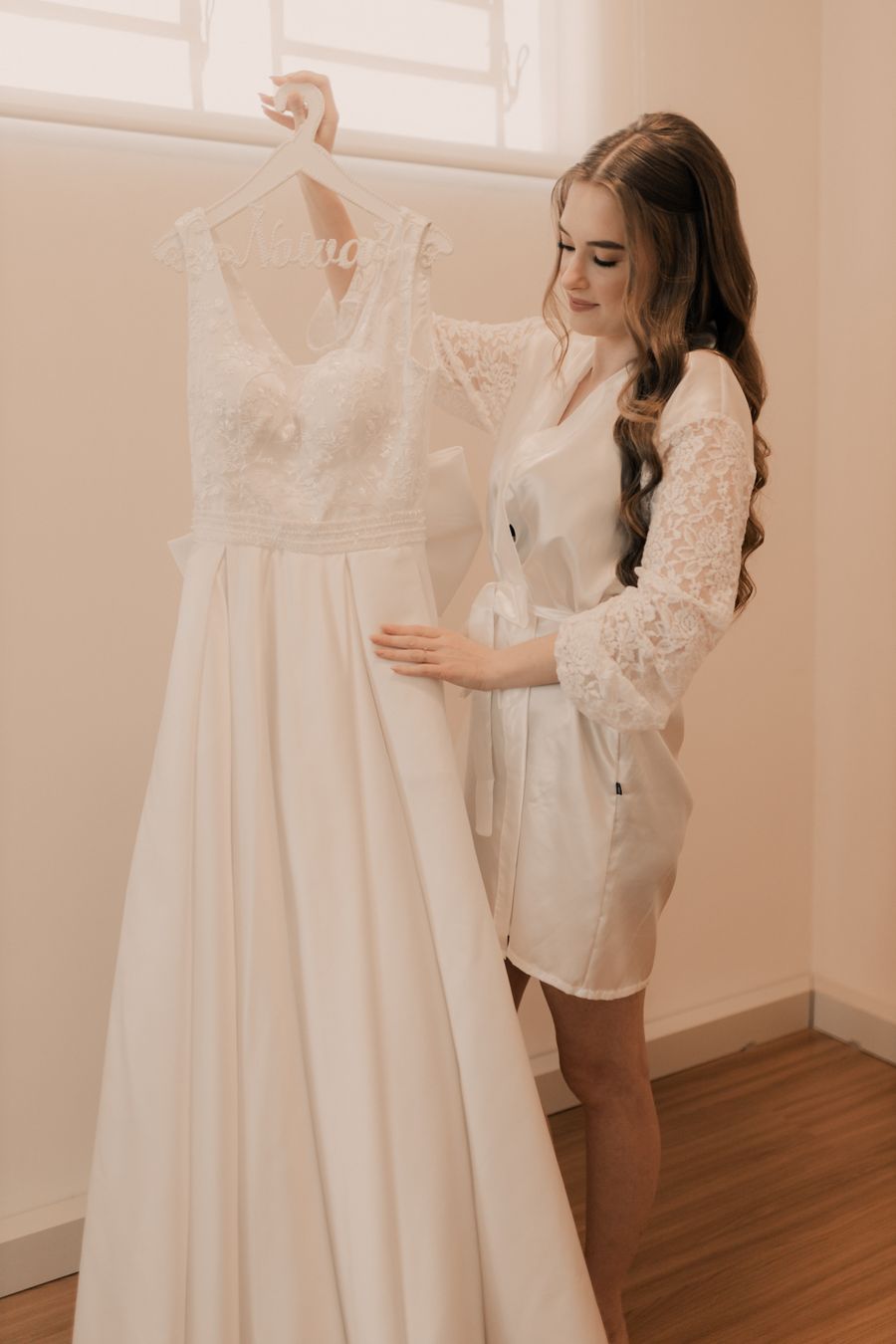
The defining feature of the ball gown is the dramatic contrast between a structured bodice and an explosive skirt volume. The bodice is typically built on boning or a reinforced corset with a sweetheart neckline or off-the-shoulder styling. The skirt is shaped by multiple layers of stiff tulle or organza petticoats, sometimes with hoops. Signature fabrics include mikado, satin, organza, and lace appliqué.
Who It Suits
The ball gown creates the illusion of a nipped waist and visually minimizes the lower body, making it particularly flattering for brides with wider hips or a pear-shaped figure. Tall brides carry it with special grace. For grand ceremonies in cathedrals, luxury ballrooms, or château venues, this is the definitive choice.
Who it suits
Perfect for formal weddings in ballrooms, cathedrals, and châteaux. Especially flattering on pear-shaped and hourglass figures. Requires ample space and confident posture.