
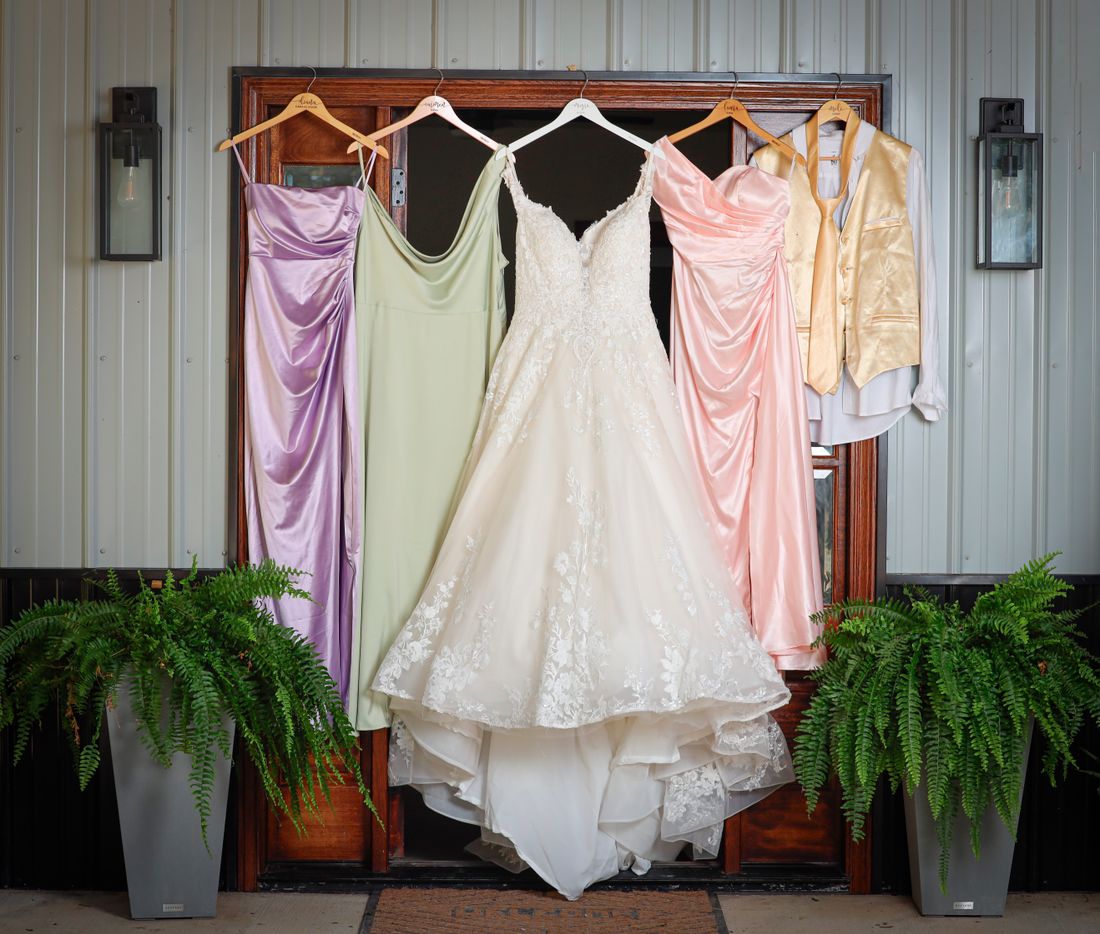
Wedding Dress Colour: White, Ivory, Champagne and Beyond
Choosing a wedding dress colour is not just a matter of taste — it involves skin tone, lighting, and the style of your celebration. We explore the key shades and who they suit best.
At first glance all wedding dresses may seem white. In reality, the difference between optical white, ivory, champagne, and blush is enormous — especially in natural light. Choosing the wrong shade can leave you looking washed out, or create an unflattering contrast with your own complexion.
White, Ivory and Champagne
Optical white (pure white) is the coolest and brightest of all bridal shades. It is ideal for brides with porcelain or olive skin and a cool pink undertone. On warm, golden, or deeper skin tones it can create a greyish-yellow contrast that dulls the complexion.
Ivory is a warm white with a subtle creamy-yellow note. Softer and more romantic than pure white, it flatters most European skin tones. Ivory feels natural and delicate, particularly when combined with lace or chiffon.
Champagne is a shade with a pronounced golden or beige undertone. It suits brides with warm or neutral skin tones and looks opulent by candlelight or warm banquet lighting. Under natural daylight, however, champagne can read as slightly yellowed in photographs — worth bearing in mind.
Blush and Coloured Gowns
Blush shades — soft pink, lavender, sky blue — are growing in popularity among brides who want to retain a gentle, feminine look while moving away from monochrome white. Blush gowns work especially well for romantic, floral, or rustic wedding aesthetics.
Coloured gowns — ivory with floral embroidery, nude, terracotta, even black — are the choice of brides who want to express their individuality. It is a bold decision that requires harmony with the overall event design: the dress colour should echo the decor's colour palette.
How to Find Your Shade
The most reliable method is trying gowns on in natural light. Hold the fabric close to your face without makeup: if your skin looks fresh and radiant, the shade is right. If shadows appear or your complexion looks tired, keep looking. Also consider your venue's lighting: warm banquet light 'absorbs' cool tones and flatters champagne, while natural daylight is most favourable for ivory and blush.
Questions & answers
What is the difference between ivory and champagne?
Ivory is a warm white with a light creamy-yellow note — softer and brighter. Champagne is a deeper shade with a golden or beige undertone, appearing visually warmer and more luxurious.
Does optical white suit every bride?
Not necessarily. Optical white works best with cool or neutral skin undertones. Warm or deeper skin tones risk looking sallow or grey against a bright white gown.
Is it acceptable to wear a coloured wedding dress?
Absolutely. Blush, and even boldly coloured gowns, are a beautiful and intentional choice. The key is to coordinate the colour with the overall style and decor of your celebration.
Bridal fashion articles
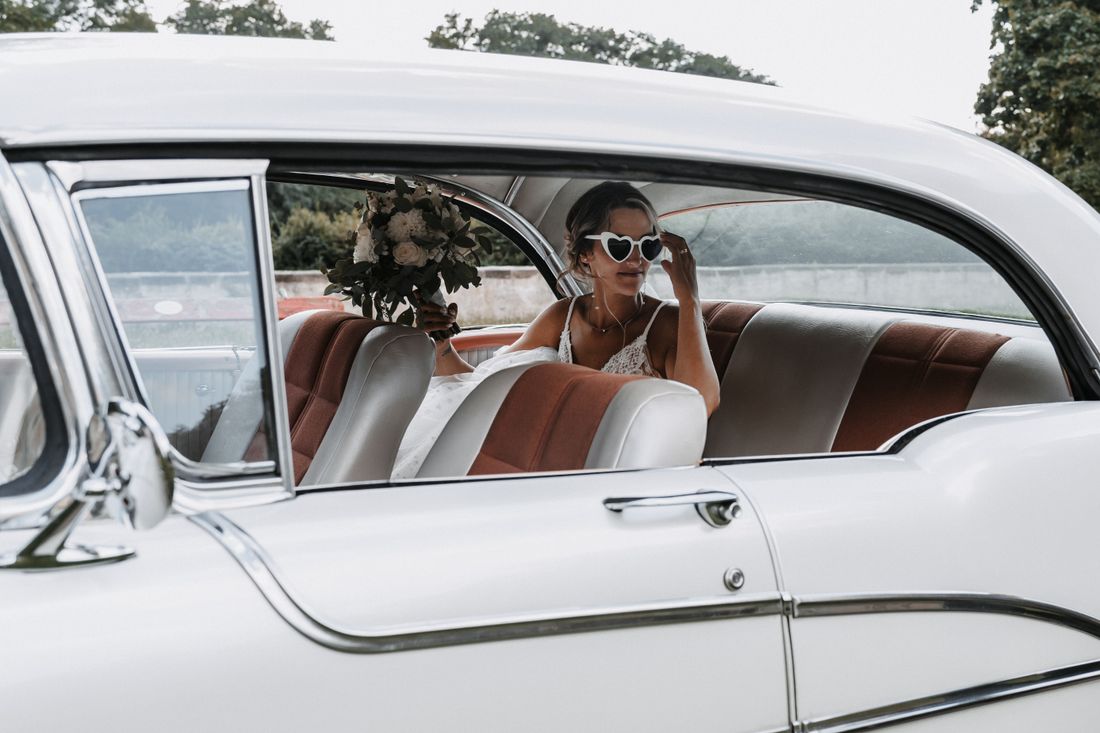
History of the Wedding Dress: From Antiquity to Today
The wedding dress has evolved from simple linen garments to a white symbol of purity. Discover how the bride's most iconic look has transformed across millennia.

How to Choose a Wedding Dress for Your Body Type
The right silhouette can highlight your best features and flatter any figure. We break down five body types and the ideal dress styles for each.
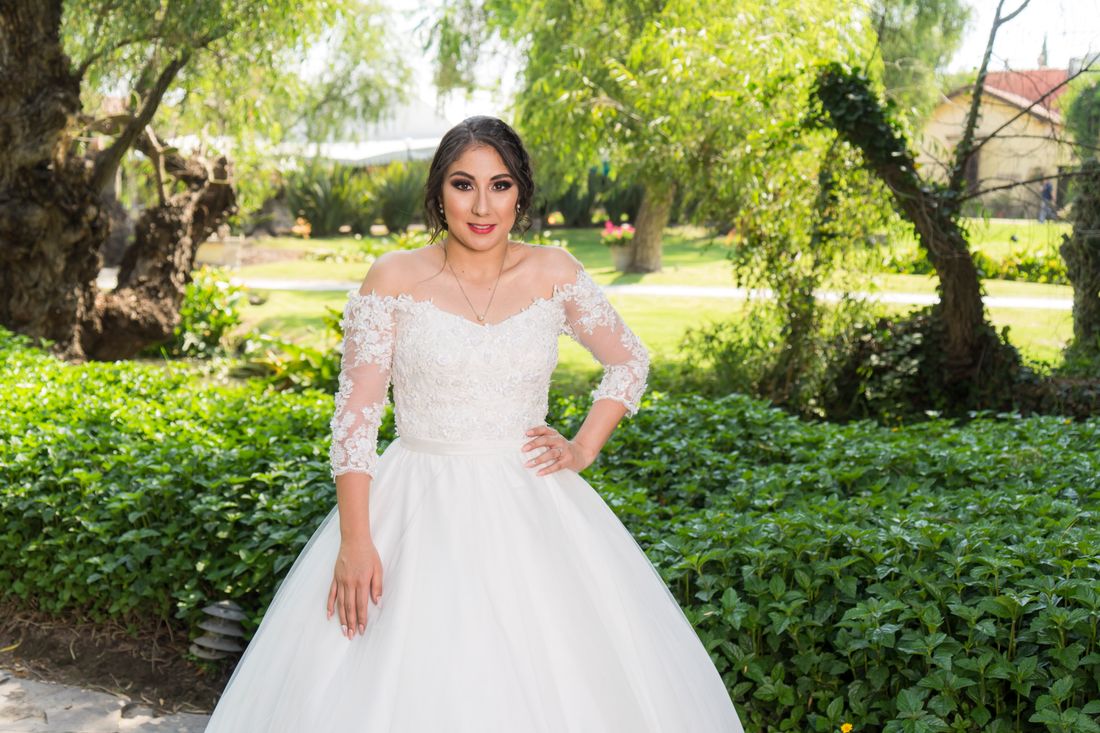
Necklines and Sleeves: How They Transform the Bridal Look
The neckline is the first thing noticed in a photograph. We explore the most popular types of necklines and sleeves and explain how each one shapes the overall image.