
How to Choose a Wedding Dress for Your Body Type
The right silhouette can highlight your best features and flatter any figure. We break down five body types and the ideal dress styles for each.
The key to a flawless bridal look is not trend-chasing but matching the dress silhouette to the lines of your body. Understanding your body type saves time in the fitting room and helps you focus on styles that truly work.
Hourglass and Rectangle
The hourglass figure features a defined bust, a narrow waist, and rounded hips roughly equal in width to the shoulders. The mermaid or trumpet silhouette is ideal here: it hugs the body to mid-thigh, then flares out, celebrating natural curves. A ball gown with a structured corset also works beautifully, accentuating the waist for a dramatic effect.
The rectangle body type means shoulders, waist, and hips are approximately equal in width. The goal is to create a visual waist. A princess (A-line) silhouette with a raised waistline does this effortlessly, as do dresses with a belt, draped fabric, or a peplum at the waist. Straight column styles are best avoided, as they reinforce the linear shape.
Pear, Apple and Inverted Triangle
The pear figure has hips wider than the shoulders. The strategy is redirection: a full princess or ball gown skirt visually balances proportions, while a decorated bodice — lace, volume sleeves, a bateau or boat neckline — adds width to the shoulders. Form-fitting mermaid styles are better avoided, as they draw attention to the width difference.
The apple type features a rounded midsection and slimmer legs. An empire silhouette with the waistline raised just below the bust glides over the middle zone and creates an illusion of longer legs. A V-neckline elongates the figure vertically. Avoid tight belts at the natural waist and full skirts with a low waistband.
The inverted triangle has broad shoulders and narrower hips. The aim is to add volume below. An A-line with a full skirt balances proportions well. Open shoulders and deep necklines are better minimised, while ruffled or tiered skirts are a perfect match.
General Advice
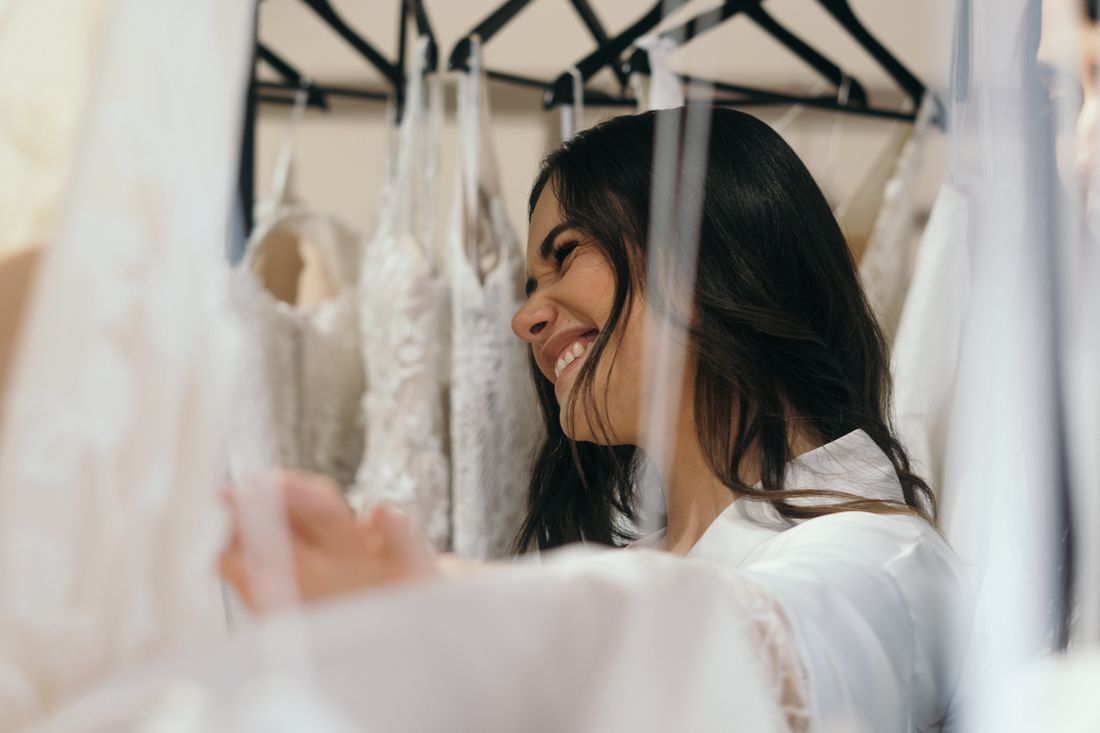
Regardless of body type, the golden rule is to try gowns on in person. Photos produce a flat image, while a mirror and properly fitted undergarments give you the real picture. Always bring shoes at the heel height you plan to wear — even five centimetres changes the corset's fit and the drape of the train.
Questions & answers
Which silhouette is considered the most universally flattering?
The A-line (princess) silhouette is widely regarded as the most versatile: it creates a visual waist, suits most body types, and allows comfortable movement.
Can a pear-shaped bride wear a mermaid dress?
It's generally not the best choice. The mermaid silhouette clings to the hips and emphasises their width, visually accentuating the difference between the upper and lower body.
How do I choose a dress that minimises a fuller midsection?
Look for an empire silhouette with the waistline raised just below the bust and a relaxed bodice. A V-neckline and vertical design lines will further elongate your figure.
Bridal fashion articles
History of the Wedding Dress: From Antiquity to Today
The wedding dress has evolved from simple linen garments to a white symbol of purity. Discover how the bride's most iconic look has transformed across millennia.
Wedding Dress Colour: White, Ivory, Champagne and Beyond
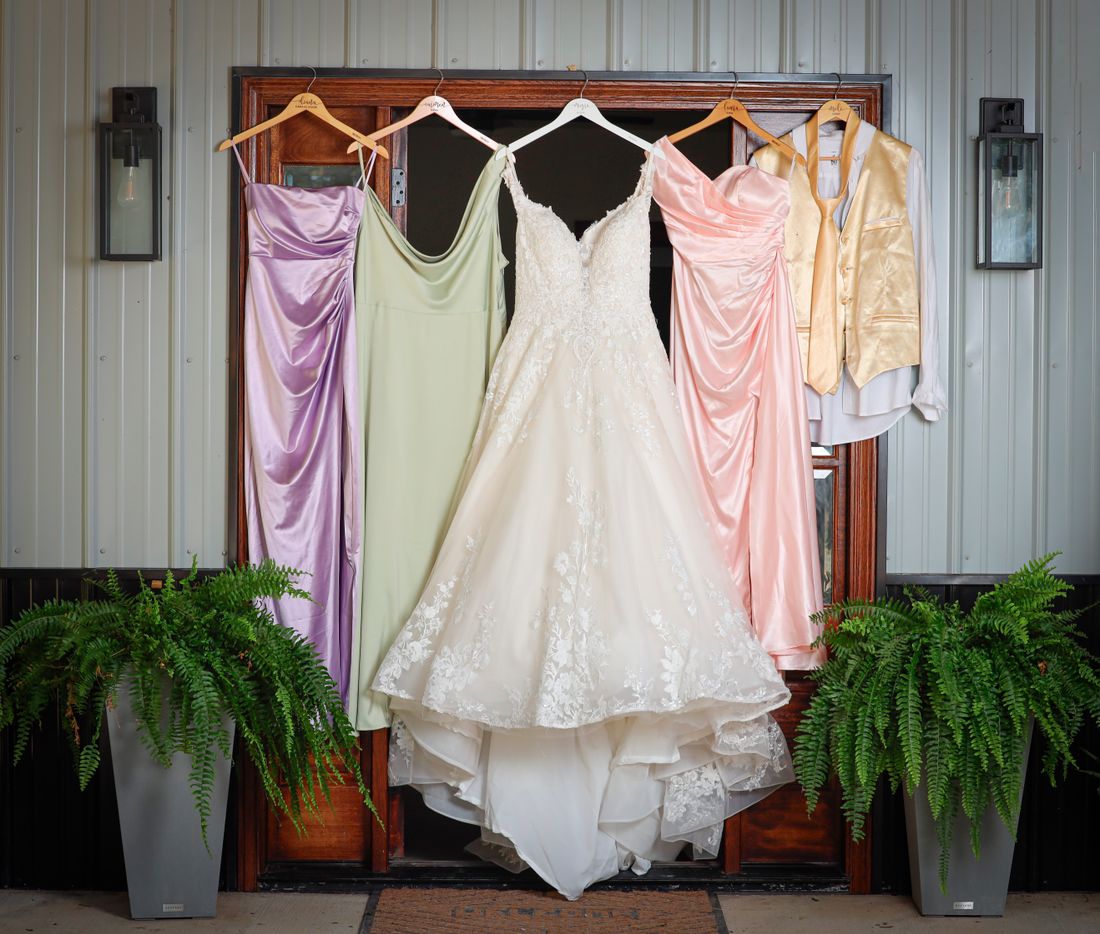
Choosing a wedding dress colour is not just a matter of taste — it involves skin tone, lighting, and the style of your celebration. We explore the key shades and who they suit best.
Necklines and Sleeves: How They Transform the Bridal Look
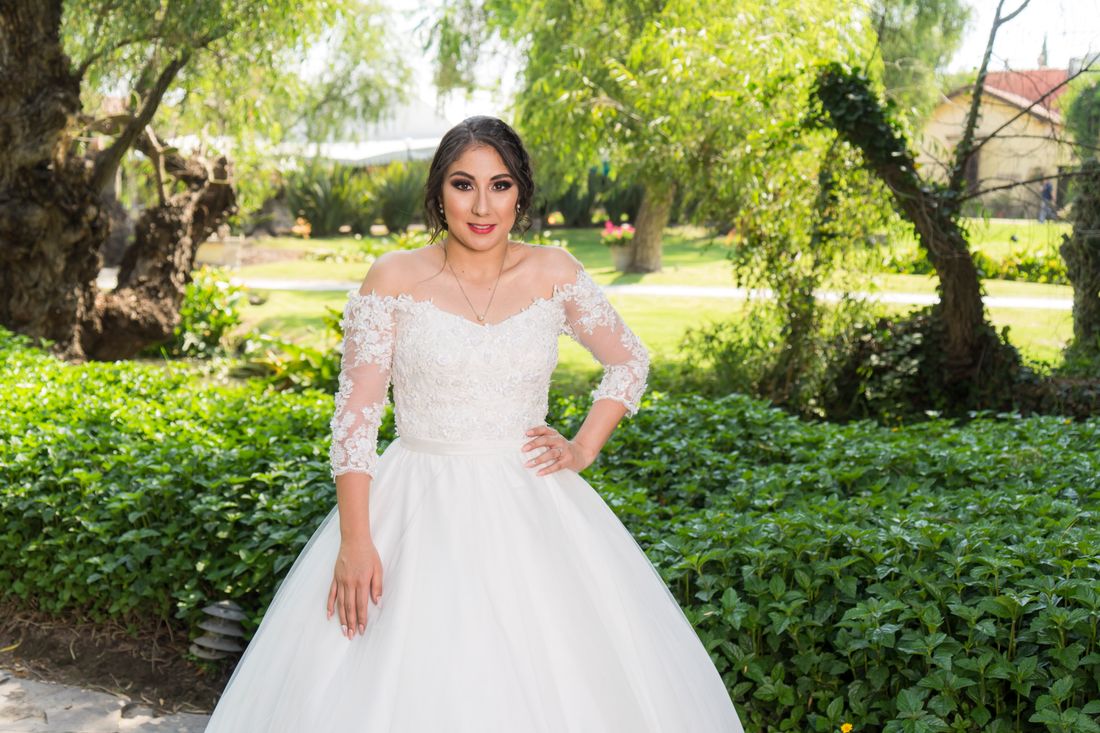
The neckline is the first thing noticed in a photograph. We explore the most popular types of necklines and sleeves and explain how each one shapes the overall image.