
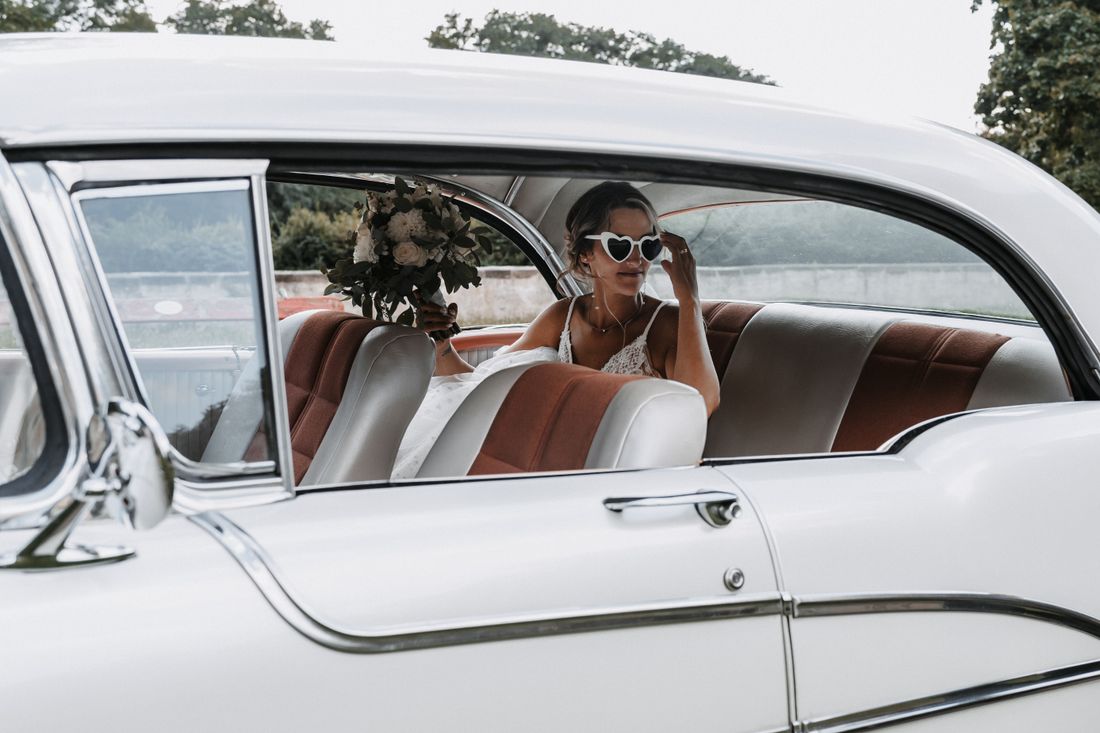
History of the Wedding Dress: From Antiquity to Today
The wedding dress has evolved from simple linen garments to a white symbol of purity. Discover how the bride's most iconic look has transformed across millennia.
Bridal attire existed long before it took the form we know today. In ancient Greece and Rome, brides wore garments in the same festive hues used for everyday celebrations — saffron, purple, ochre. White, associated with mourning in antiquity, was deliberately avoided.
The Middle Ages and the Renaissance
In medieval times, the colour of a wedding dress reflected the family's wealth and social standing. Noble women chose rich blue and red fabrics embroidered with gold — white was simply too costly to produce. Vibrant hues embodied celebration. During the Renaissance, silhouettes grew more elaborate: voluminous sleeves, tight corsets, and layered skirts proclaimed the bride's status.
In the 17th and 18th centuries, the bridal gown was indistinguishable from a formal court dress and was often reworn at subsequent festivities — practicality and economy were valued as much as beauty.
Queen Victoria's White Gown
The turning point came with the wedding of Queen Victoria in 1840. She married Prince Albert in a white satin gown trimmed with lace, and this single choice transformed bridal fashion. Before Victoria, white carried no particular bridal meaning; afterwards, it became a symbol of purity and celebration, endlessly reproduced by the society press.
The 20th century brought rapid shifts in style. In the 1920s, hemlines rose to the knee and silhouettes turned sleek and angular in the spirit of Art Deco. The 1930s restored elegance: bias-cut dresses with open backs accentuated femininity. The post-war 1950s gave us the iconic 'new look' — a cinched waist and a full bell skirt. The 1960s and '70s embraced mini hemlines and bohemian retro charm. The 1980s revelled in baroque excess with billowing sleeves, while the 1990s and 2000s ushered in clean minimalism and bare shoulders.
The Modern Perspective
Today there is no single standard. Designers offer everything from ultra-minimalist column gowns to neo-Victorian corseted masterpieces. Brides are bolder about non-traditional colours, double looks (ceremony and party dress), and deliberately simple silhouettes. The history of the wedding dress continues — and every bride writes her own chapter.
Questions & answers
When did white wedding dresses become the norm?
White became the bridal standard after Queen Victoria's wedding in 1840. Before that, brides chose gowns in a wide range of colours.
Why did medieval brides avoid white wedding gowns?
White fabric was expensive to produce, and white itself was often associated with mourning. Noble women preferred blue, red, and purple — the colours of luxury.
What silhouette was considered the ideal in the 1950s?
The 1950s celebrated the 'new look': a cinched waist paired with a full bell skirt, emphasising femininity and romantic elegance.
Bridal fashion articles

How to Choose a Wedding Dress for Your Body Type
The right silhouette can highlight your best features and flatter any figure. We break down five body types and the ideal dress styles for each.
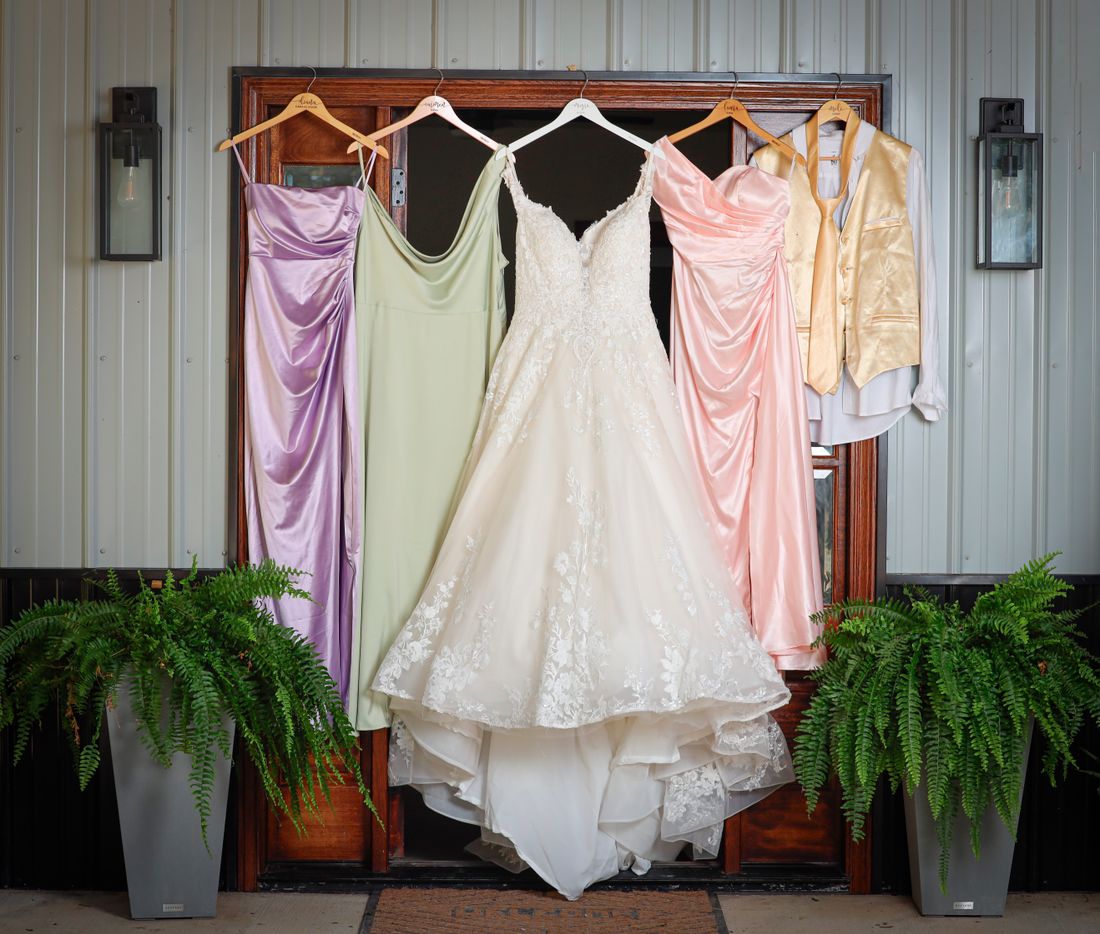
Wedding Dress Colour: White, Ivory, Champagne and Beyond
Choosing a wedding dress colour is not just a matter of taste — it involves skin tone, lighting, and the style of your celebration. We explore the key shades and who they suit best.
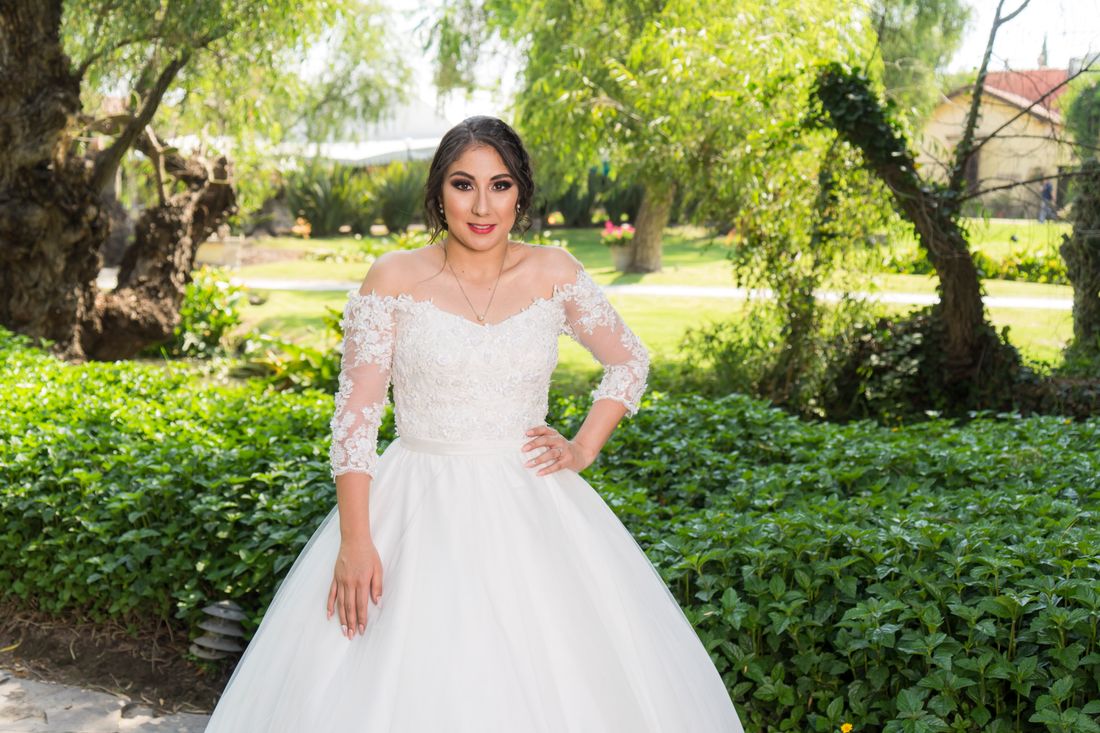
Necklines and Sleeves: How They Transform the Bridal Look
The neckline is the first thing noticed in a photograph. We explore the most popular types of necklines and sleeves and explain how each one shapes the overall image.