
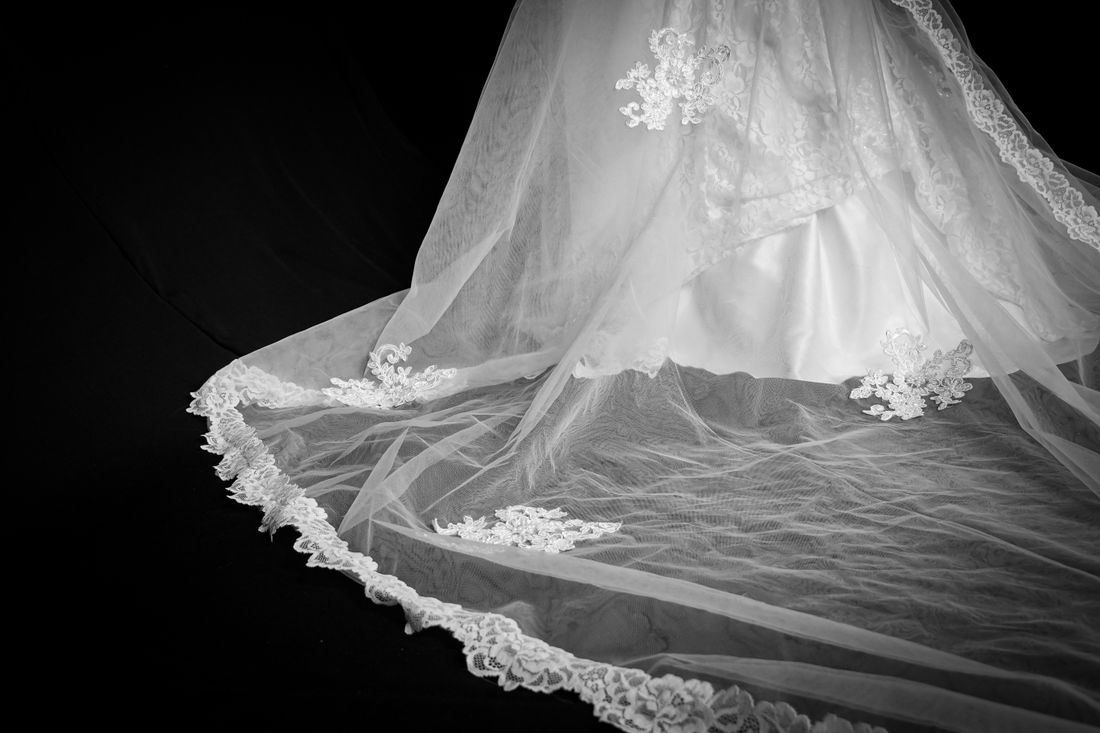
Trains and Veils: Types, Traditions and How to Choose Yours
A train and veil are the details that transform a beautiful dress into a truly bridal look. We cover the different types, their symbolism, and the key rules of selection.
Trains and veils are not mere accessories — they are elements with centuries of history and an established classification. Chosen well, they complete the look; chosen poorly, they upset proportions and create discomfort throughout the entire day.
Types of Trains
The chapel train is the most common choice for ceremonial weddings. Measuring approximately 120–150 centimetres from the waist, it flows gracefully behind the bride. Impressive yet not overwhelming, it is easy to move in and suits most silhouettes.
The cathedral train runs from 180 to 270 centimetres. A truly regal option reserved for formal church weddings or grand civil ceremonies. It requires bridesmaids to manage it and ample space to unfurl. The photographs are unforgettable.
The Watteau train is attached not at the waist but at the back of the bodice between the shoulder blades, cascading freely without extending the front of the skirt. It is an elegant historical style referencing the Rococo gowns of the 18th century. It is ideal for brides who want the drama of a train without restricting their movement.
Types of Veils
A short veil (shoulder or elbow length) creates a light, playful look and works beautifully at cocktail or informal weddings. The fingertip veil (approximately 100 cm) is a timeless classic — formal enough for a ceremony yet comfortable to wear all day.
The cathedral veil matches or exceeds the length of a cathedral train — from three to five metres. The most majestic option, it requires intricate pinning and a skilled hairdresser. It is usually removed after the ceremony for the reception.
Traditions and Practical Advice
The tradition of veiling the bride has roots in antiquity and the Middle Ages — the veil symbolised protection and modesty. In modern terms, it is simply a beautiful element of the look. One practical consideration: before selecting train and veil lengths, check the layout of your venue. A narrow aisle makes a long train awkward rather than beautiful. Also think about the floor covering: a train on gravel or grass will pick up far more dirt than one on parquet.
Questions & answers
Is a veil required at a wedding?
No. A veil is a tradition, not a requirement. Many brides replace it with flowers in their hair, decorative pins, or a floral crown.
What is the difference between a Watteau train and a chapel train?
A Watteau train is attached to the back of the bodice at shoulder-blade level and does not extend the front of the skirt. A chapel train is a continuation of the skirt itself, falling from the waistline or hip seam.
Should the train be removed during the reception?
Most trains can be fastened up using built-in buttons or snaps. A cathedral train is typically removed after the ceremony; many brides keep a chapel train on all day.
Bridal fashion articles
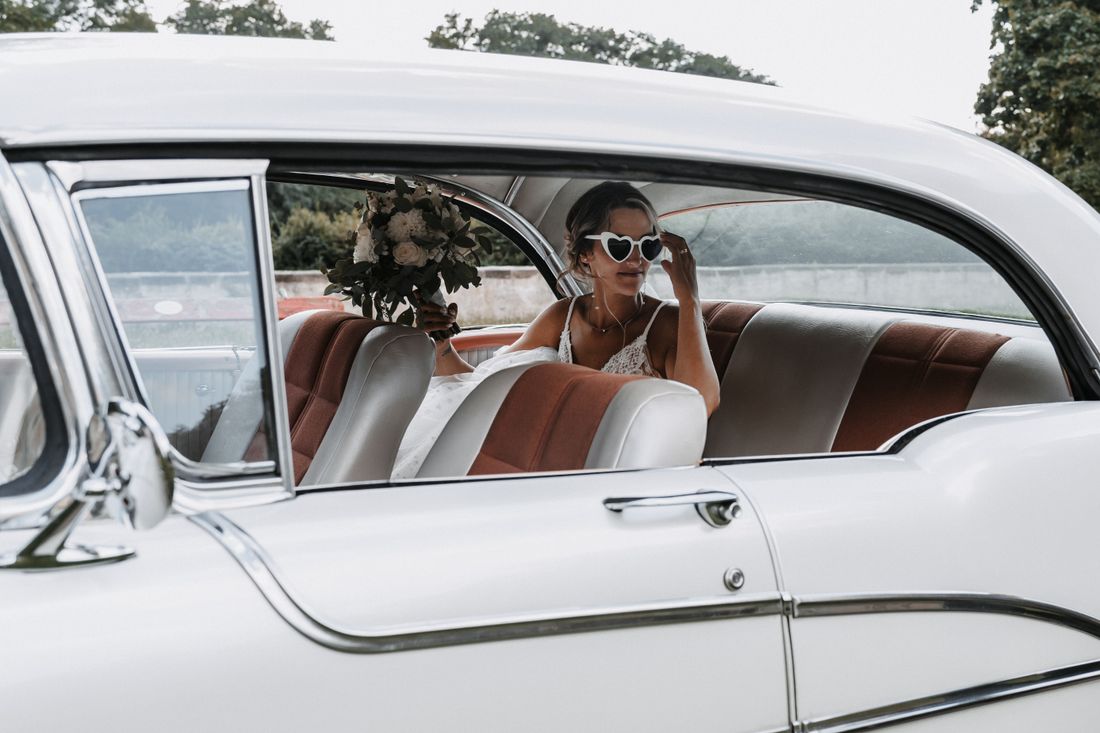
History of the Wedding Dress: From Antiquity to Today
The wedding dress has evolved from simple linen garments to a white symbol of purity. Discover how the bride's most iconic look has transformed across millennia.

How to Choose a Wedding Dress for Your Body Type
The right silhouette can highlight your best features and flatter any figure. We break down five body types and the ideal dress styles for each.
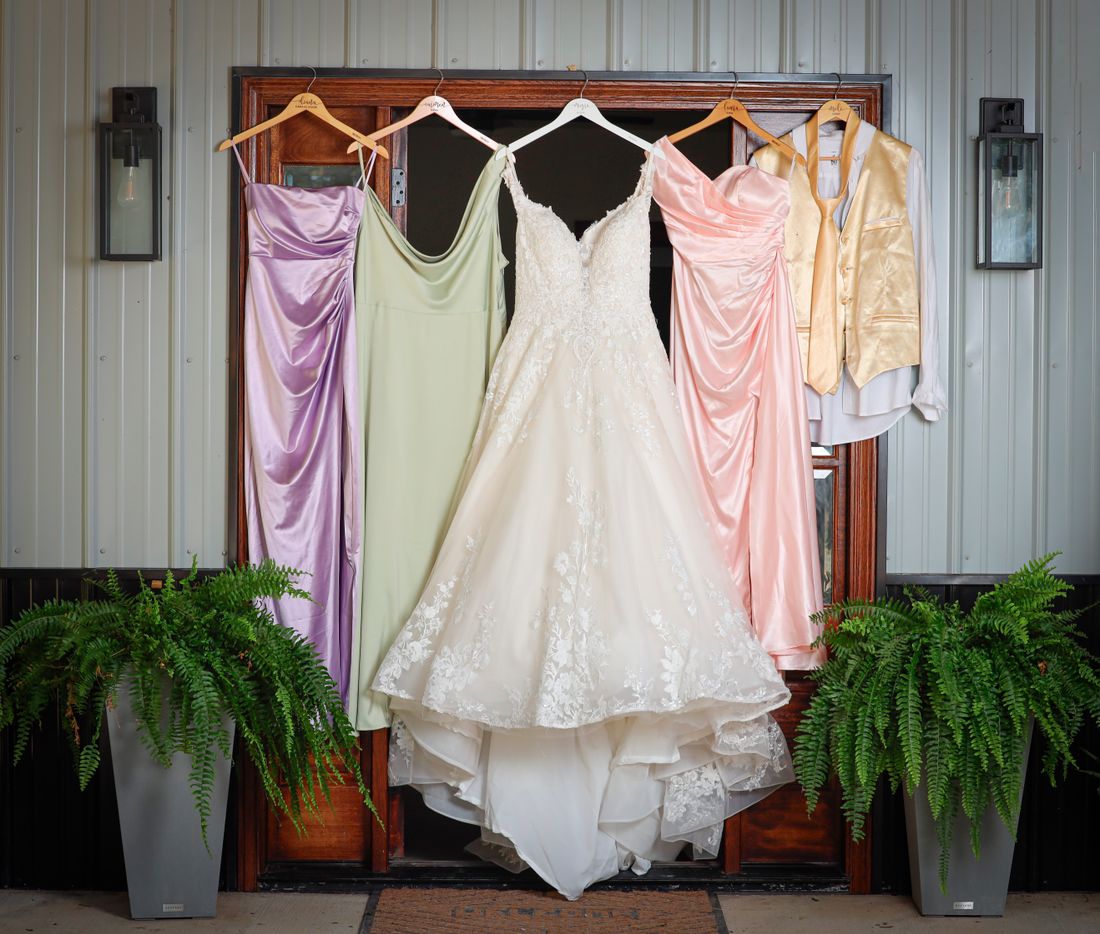
Wedding Dress Colour: White, Ivory, Champagne and Beyond
Choosing a wedding dress colour is not just a matter of taste — it involves skin tone, lighting, and the style of your celebration. We explore the key shades and who they suit best.