
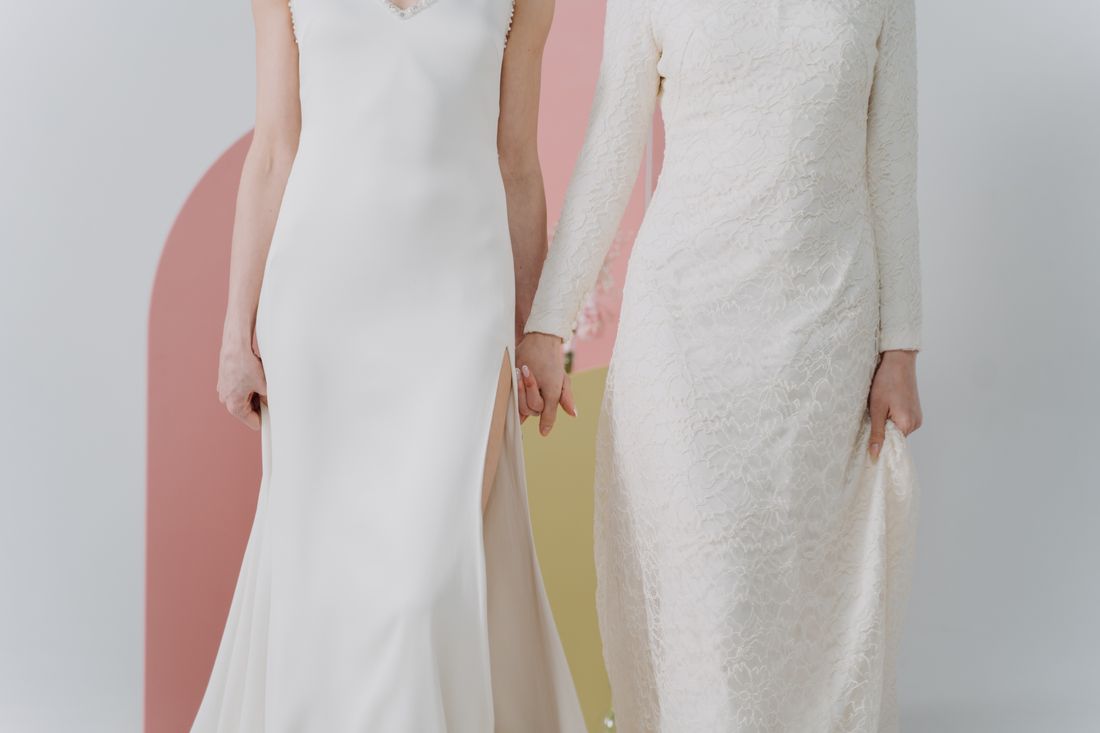
Bridal Fashion Trends: What's Relevant Today
Bridal fashion is moving towards individuality, sustainability, and bold experiments with colour and silhouette. We look at the key directions shaping the contemporary bridal market.
Bridal fashion has always lagged slightly behind runway trends — brides have traditionally been conservative in their choice of the most important dress. But recent years have shifted the rules: more and more brides are willing to experiment, change their look during the day, and step outside classic conventions.
Minimalism and Sculptural Lines
Ultra-minimalism remains one of the most enduring trends. Column dresses in satin, crepe, or mikado with no superfluous detail — only immaculate cut and perfect fit — are the choice of brides who want to communicate through fabric quality and precision tailoring. Sculptural asymmetric necklines, a single bare shoulder, and geometric bow details add an architectural quality to the look.
Running alongside minimalism is demand for a new kind of volume: puff sleeves, layered tulle, three-dimensional floral appliqués. This is not the heavy grandeur of the 1980s — it is a light, airy, almost fairy-tale luxury.
Colour, Prints and Unconventional Choices
Coloured bridal gowns have moved beyond bold experimentation and become a fully fledged trend. Pastel shades — lavender, mint, soft blush — are popular among brides seeking a romantic look without white. Richer tones — terracotta, burgundy, dusty blue — attract brides who want to project strength and individuality.
The two-in-one look: a clean, simple gown for the ceremony and a show-stopping second dress for the reception. Some brides swap out a train for a shortened version of the same dress; others choose two entirely different outfits. This approach offers all-day comfort and a variety of stunning photographs.
Sustainability and Conscious Choice
Sustainable fashion has arrived in the bridal market. Gowns made from organic cotton, recycled silk, and certified lace, sewn by small independent ateliers, are both an ethical and a financially sensible choice — they frequently surpass mass-market dresses in quality and longevity.
Retro and vintage aesthetics: dresses inspired by the 1930s (bias cut, open back), 1960s (mini, clean A-lines), and 1970s (bohemian chiffon, lace capes) are returning to modern collections. Authentic vintage gowns from consignment boutiques are also growing in demand — as an eco-conscious and utterly unique choice.
Questions & answers
Should I follow trends when choosing a wedding dress?
Trends are a source of inspiration, not a rule. Wedding photographs are kept for decades, so focus primarily on what reflects your personality and will look natural and authentic years from now.
What is a two-in-one look, and is it practical?
A two-in-one look means changing your outfit between the ceremony and the reception. It is highly practical: a shorter or lighter dress is often more comfortable at the reception, and the change also adds variety to your photo coverage.
Where can I find dresses that align with sustainable fashion principles?
Seek out small design studios that use certified fabrics, and explore bridal consignment boutiques. This approach lets you find a unique gown while reducing your environmental footprint.
Bridal fashion articles
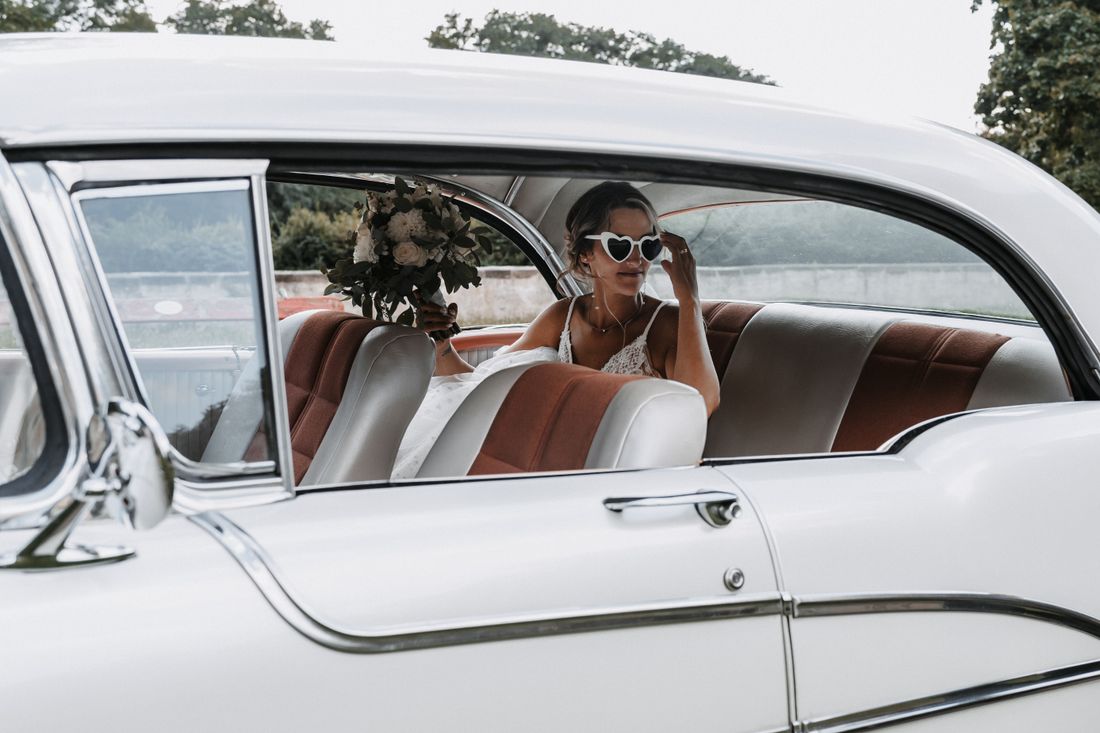
History of the Wedding Dress: From Antiquity to Today
The wedding dress has evolved from simple linen garments to a white symbol of purity. Discover how the bride's most iconic look has transformed across millennia.
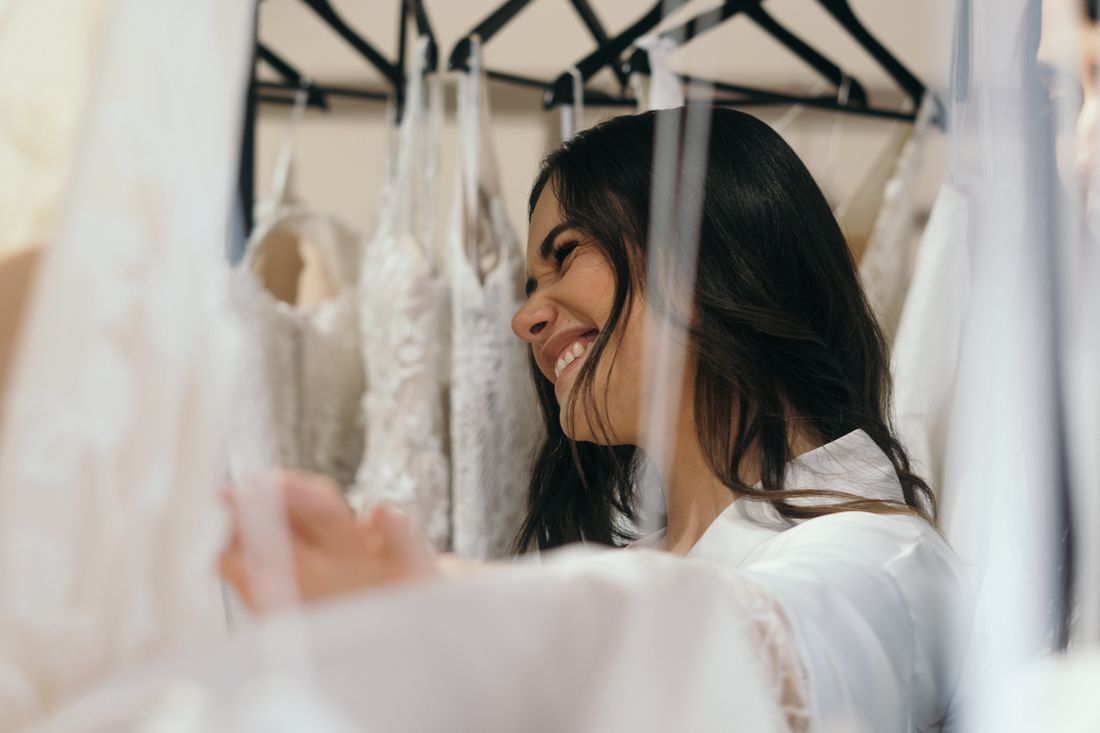
How to Choose a Wedding Dress for Your Body Type
The right silhouette can highlight your best features and flatter any figure. We break down five body types and the ideal dress styles for each.
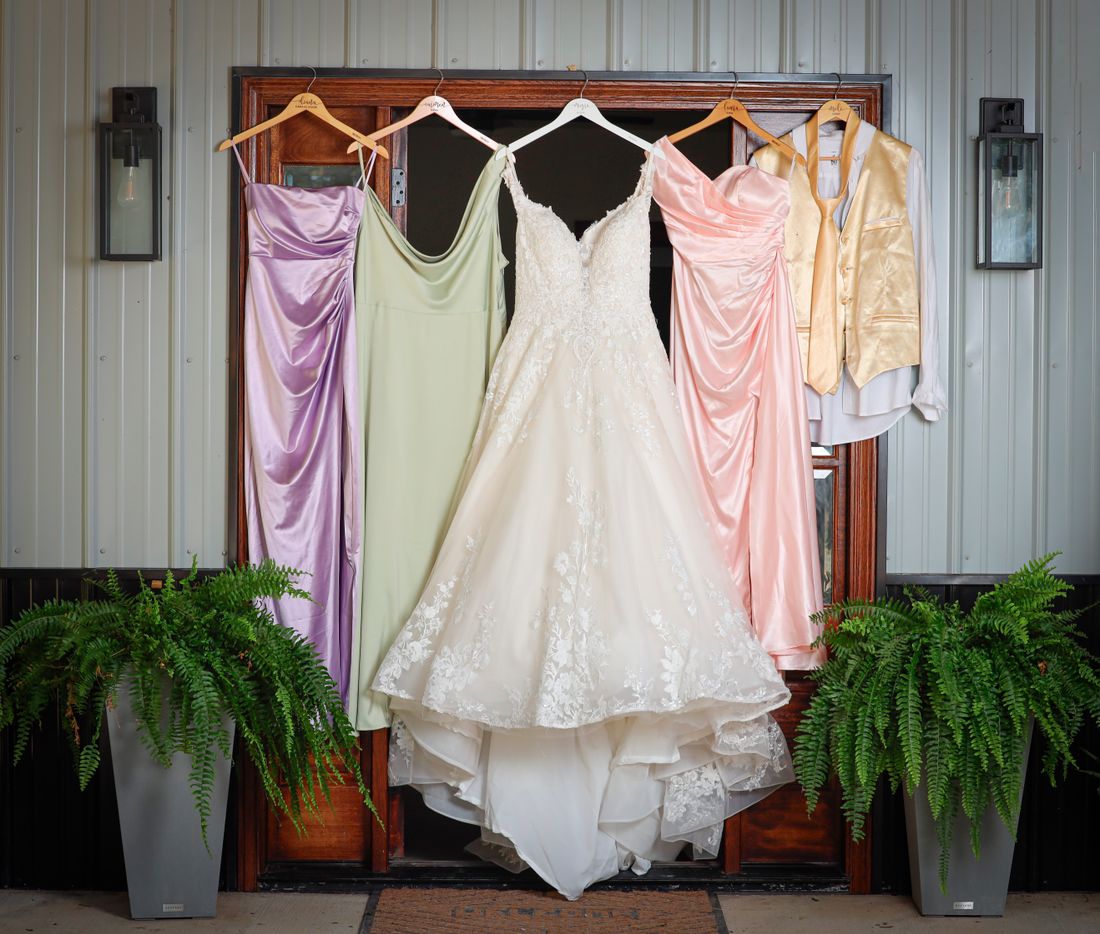
Wedding Dress Colour: White, Ivory, Champagne and Beyond
Choosing a wedding dress colour is not just a matter of taste — it involves skin tone, lighting, and the style of your celebration. We explore the key shades and who they suit best.